Two fundamental questions need to be addressed. First, why are we ignoring the fact that our culture is slipping away from our hands? Second, what practical steps can we take to salvage our culture and ensure the rich heritage of Nigeria is passed down to future generations?
Nigeria is an extraordinary nation, proudly located in the heart of Africa. It is one of the most populated countries in the world and the most populous in Africa, earning it the well-deserved title of “Giant of Africa.” Nigeria comprises 36 states, each of which is made up of various local governments, towns, and villages, all brimming with unique and vibrant traditions, customs, dialects, and cultural expressions.
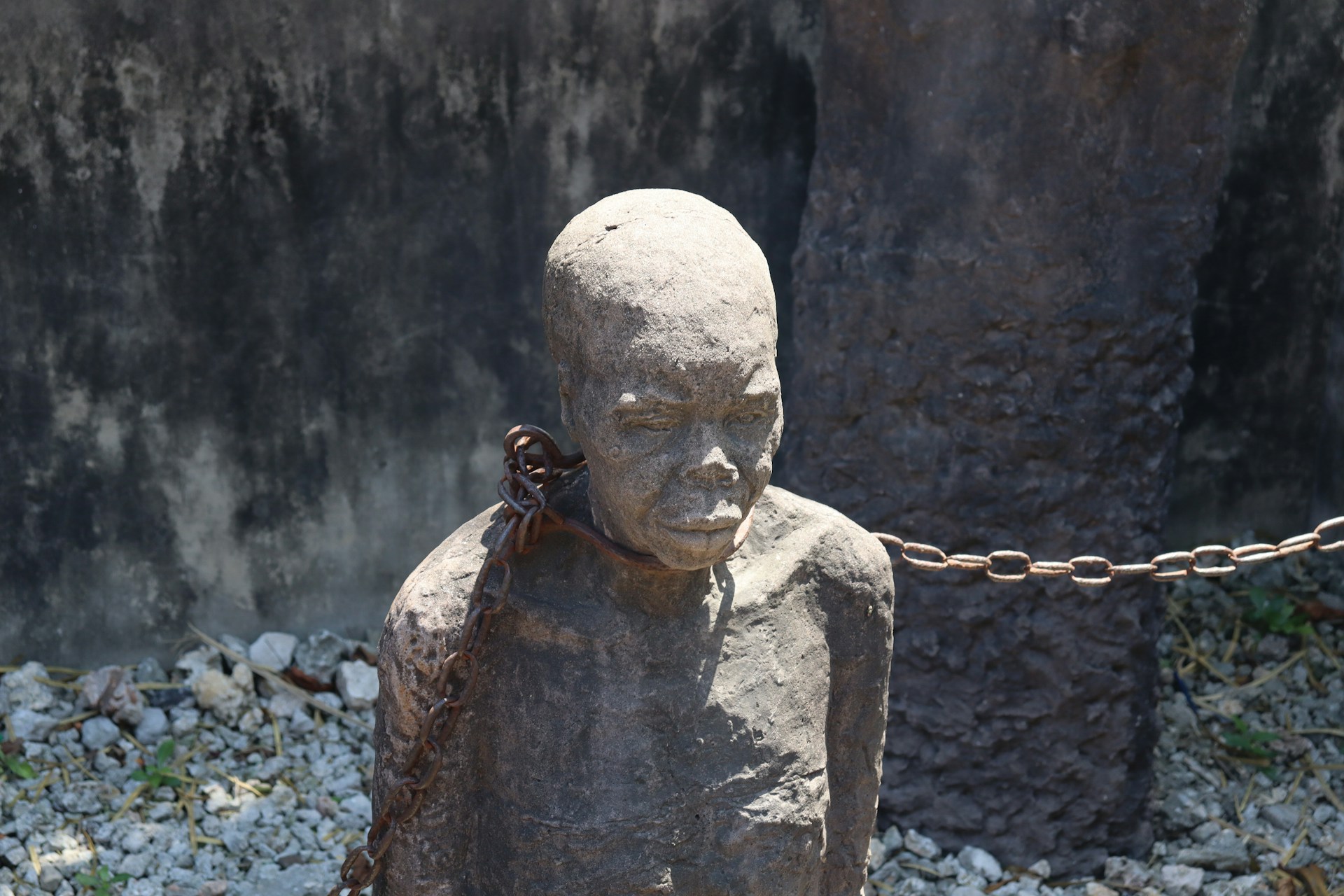
But are we aware that a significant number of indigenous languages and traditional practices have gone extinct over the years, particularly since colonisation? The reality is stark, and it demands urgent attention. The burning question now becomes: how do we preserve what remains and ensure that our cultural identity does not disappear in our generation?
If you are concerned, as many of us should be, about the dwindling state of our cultural heritage, then read on—this article seeks not only to analyse the challenges but also to offer clear, actionable solutions.
The Reality of Cultural Decline
Understanding the cause of a problem is the first step to solving it. As the popular saying goes, “a problem shared is a problem half solved.” So, what exactly is the current state of our culture?
Let’s begin with a simple question: how often do you speak your indigenous language? If you do so frequently, consider your immediate community—friends, neighbours, co-workers, and acquaintances. A candid observation will reveal that a vast majority no longer use their native tongues. Some cannot speak them at all. Others do so only sparingly. And even among those who speak fluently, many routinely mix in English, to the point that entire sentences become hybrid constructions.
Why is this the case? Why must we always pepper our native speech with English? Have you seen foreigners who speak their languages with a sprinkle of Igbo, Yoruba, or Hausa? That’s a rare sight. Before the white man set foot on this land, we communicated fluently in our indigenous tongues, without assistance from a colonial language. Today, that linguistic independence seems like a distant memory.
We imitate what we are exposed to. And for those born and raised in Nigeria’s urban centres, speaking without English interjections has become increasingly difficult.
Stories We’ve Forgotten
A great deal of our culture has already been lost. In generations past, children gathered around elders under moonlight to hear enchanting folktales, narratives filled with sly foxes, clever tortoises, wicked stepmothers, brave warriors, and magical realms. These weren’t just stories for entertainment; they were oral codes of conduct. They taught children the value of kindness, the consequences of dishonesty, and the triumph of good over evil.
Today, most children know more about Disney characters than traditional heroes. They scroll through screens instead of listening to village elders. And even schools, which once served as custodians of moral instruction, now fall short of nurturing cultural identity.
So, What Can We Do?
Thankfully, the situation is not hopeless. Several practical measures can be taken to restore and preserve Nigeria’s rich cultural heritage:
1. Speaking Our Indigenous Languages More Often
This is perhaps the most crucial step. Language is the lifeblood of any culture. If we lose our languages, we lose everything else that defines who we are. Parents should make deliberate efforts to speak their native languages at home. Children absorb culture through daily interaction, not formal instruction alone.
If necessary, hire tutors to help your children learn how to speak, read, and write their mother tongue. Studies have shown that bilingual children tend to have stronger cognitive development and enhanced memory skills.
2. Reviving the Storytelling Tradition
Reintroduce the practice of storytelling in homes and schools. Let elders share the tales that once taught values and sparked imagination. Schools can designate specific days for cultural storytelling, inviting grandparents, village leaders, or community historians to speak.
By returning to this rich oral tradition, we can reclaim not only our stories but the values embedded within them.
3. Improving the Tourism Sector
Tourism is a powerful tool for showcasing cultural heritage. Every year, people travel across the world to experience new cultures. Nigeria should be a top destination on that list. Unfortunately, poor infrastructure, insecurity, and government neglect have stifled the growth of the tourism industry.
Landmarks like the Osun-Osogbo Sacred Grove, Olumo Rock, Nok Terracotta sites, and the Benin Bronze works should be revitalised and globally promoted. The Obudu Cattle Ranch, once a gem, is now a shadow of its former self. With better funding, management, and promotion, we can attract tourists and make our culture a global treasure once again.
4. Updating School Curricula
Children spend most of their developmental years in school. If our curricula neglect indigenous history, language, and customs, the next generation will have nothing to build on. History must be reintroduced as a core subject at all levels.
More importantly, local languages should be made compulsory in primary and junior secondary schools. Schools should also celebrate cultural festivals and host exhibitions to deepen students’ understanding of their roots.
5. Using Digital Media to Our Advantage
In today’s digital age, social media platforms and streaming services dominate cultural consumption. Why not use them to promote Nigerian culture? Influencers, content creators, and educational platforms should collaborate to produce rich, engaging content about our history, languages, traditional practices, and heroes.
If Korean dramas and Chinese martial arts movies can gain worldwide popularity, why can’t Nigerian folktales and heritage do the same? It’s all in the packaging and the intent.
The Benefits of Cultural Preservation
By taking these steps, Nigeria stands to gain significantly. Firstly, we reclaim our national pride. When we preserve our identity, we earn the respect of other nations that have successfully protected theirs.
Secondly, our children benefit cognitively and emotionally from being rooted in a strong cultural foundation. They become more confident, more empathetic, and better equipped to navigate a multicultural world.
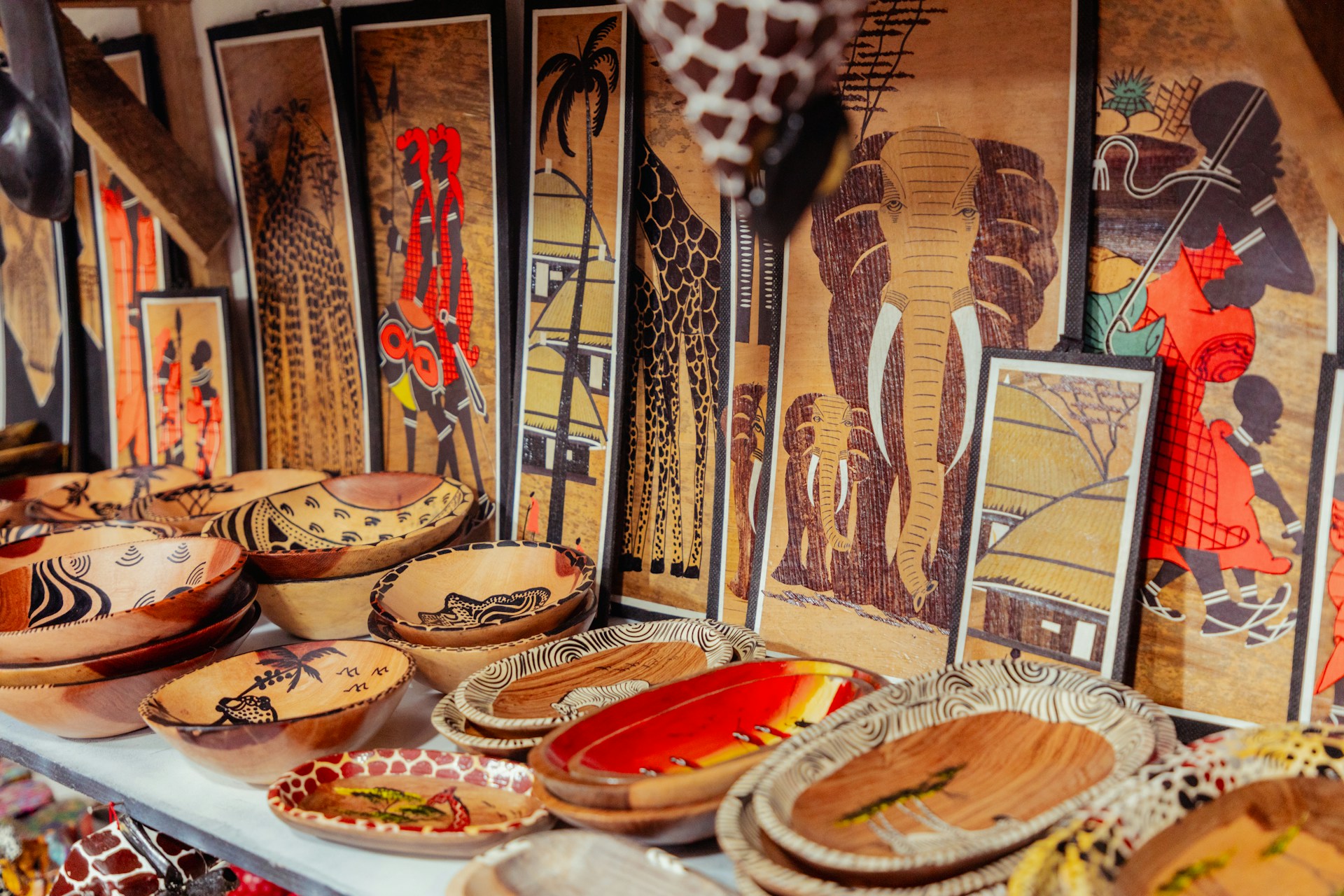
Lastly and perhaps most importantly, we give our future generations the greatest gift of all: a sense of belonging. Culture is not just about food, fashion, or festivals. It is about identity, values, worldview, and legacy.
In Conclusion
Cultural preservation is not a passive process; it requires deliberate, collective action. Every parent, teacher, artist, policymaker, and citizen has a role to play. Let’s not wait until our traditions are mere relics studied in museums. Let us act now, so the children of tomorrow can stand proudly as Nigerians, fully aware of the treasures in their heritage.
After all, what good is a giant if it forgets how to stand tall?