
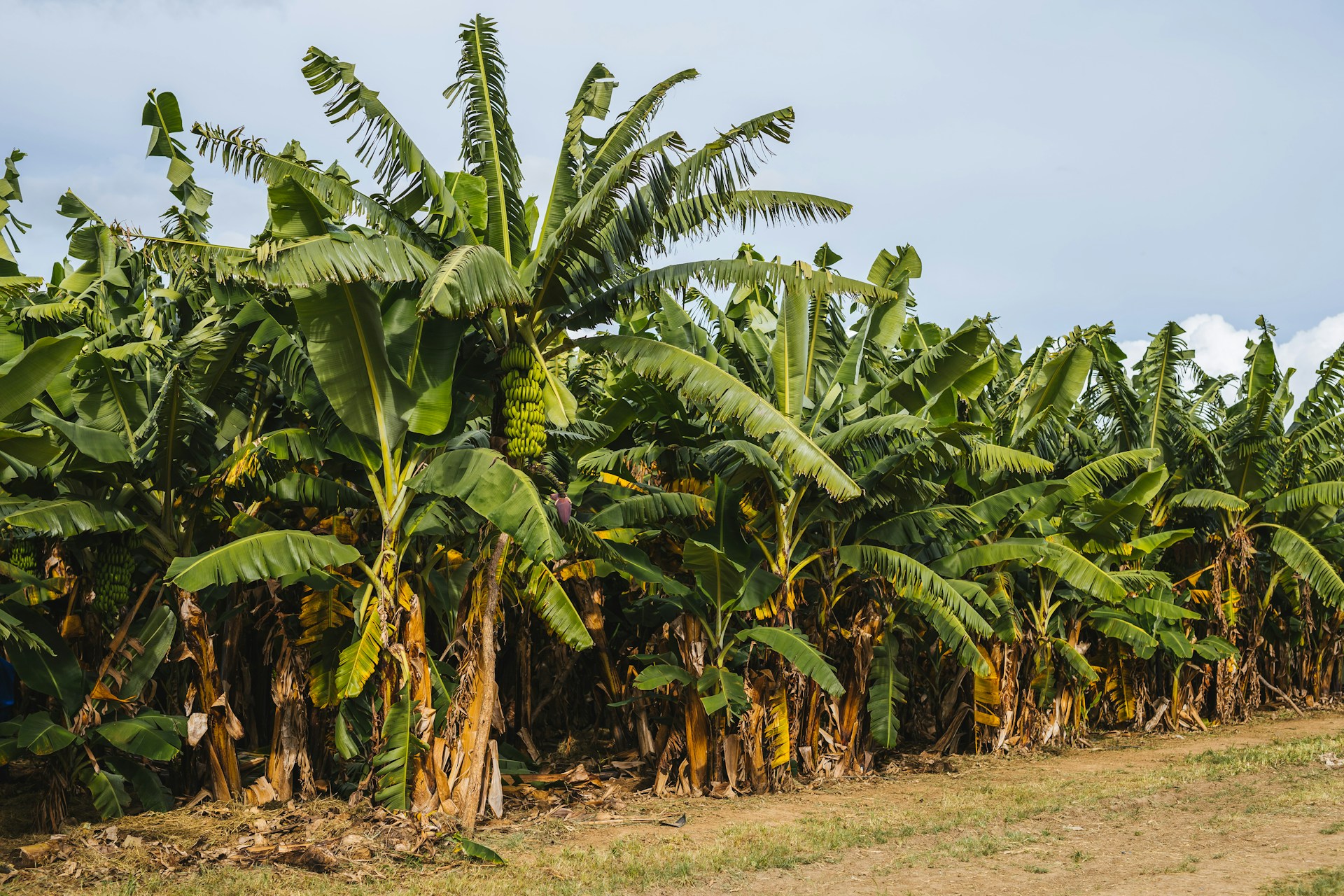
Plantain cultivation is both an art and a science. Whether you are a smallholder managing a family plot or running a larger commercial plantation, applying the right strategies at every stage of production can significantly increase yields and profitability. Plantains, being a staple crop with high demand across many parts of the world, require a blend of careful planning, routine maintenance, and smart agronomic decisions. This article explores key best practices from site selection and plantation design to nutrient management, pest control, and harvesting techniques geared towards helping farmers optimise output and crop quality.
1. Site Selection and Land Preparation
Soil and Climate
- Soil Requirements: Plantains grow best in deep, fertile, well-drained soils with a pH between 5.5 and 7.0. Conducting a soil test prior to planting helps identify deficiencies and guides soil amendment strategies. Heavy clay soils should be avoided unless well-structured and properly drained.
- Climate Considerations: A warm, humid climate with annual rainfall ranging from 1,200 mm to 2,500 mm distributed evenly is ideal. Temperature ranges between 26°C and 30°C support optimal growth. Avoid locations prone to prolonged waterlogging, which can lead to root asphyxiation and disease outbreaks.
Land Preparation
- Clearing and Tillage: Begin with clearing vegetation, trees, and crop residues. Perform ploughing and harrowing to create a loose, well-aerated seedbed that encourages root penetration and early establishment.
- Organic Matter: Enrich the soil with compost, farmyard manure, or green manure crops. Organic matter boosts microbial activity, improves moisture retention, and supports long-term soil health.
2. Variety Selection and Plantation Design
Selecting the Right Cultivar
- Select cultivars that are disease-resistant, early-maturing, and suited to your local agro-climatic conditions. Popular choices like Agbagba, Obino l’Ewai, and high-yielding hybrids offer strong market potential and resilience under varying conditions.
Plantation Layout
- Spacing: Adopt a spacing of 3 metres by 3 metres, translating to roughly 1,100 plants per hectare. Adequate spacing prevents overcrowding, promotes better light distribution, and facilitates movement during weeding and harvesting.
- Mulching: Apply organic mulches using dried grasses, banana leaves, or straw to conserve soil moisture, control weed growth, and enrich the soil as the mulch decomposes.
3. Planting and Early Care
Propagation
- Suckers and Slips: Choose sword suckers that are at least 1 metre tall from healthy mother plants. Ensure the planting material is disease-free, firm, and shows signs of vigorous growth. Remove dead or soft tissue before planting.
Planting Techniques
- Depth and Orientation: Dig holes at least 30 cm deep. Position the suckers vertically with the growing point facing upward, then backfill gently to avoid damaging the corm.
- Initial Watering: Water immediately after planting, particularly during dry spells, to reduce transplant shock and stimulate early root development.
4. Nutrient and Water Management
Fertilisation
- Use a balanced fertiliser regime that supplies nitrogen (N), phosphorus (P), and potassium (K) in proper proportions. Supplement with organic inputs such as poultry manure or compost. Apply fertilisers in bands around the plant base, avoiding direct contact with the stem.
- Apply foliar fertilisers during key developmental stages to address micronutrient deficiencies promptly.
Irrigation
- Moisture Management: Ensure plants receive consistent moisture throughout their lifecycle. Drip or sprinkler systems are ideal for efficient water delivery. Where manual watering is used, apply at regular intervals during dry periods.
- Drainage: Maintain functional drainage channels around the plantation to prevent stagnation. Raised beds can be used in areas prone to flooding.
5. Pest and Disease Control
Integrated Pest Management (IPM)
- Monitoring: Regularly inspect plants for signs of pest infestation, including nematodes, banana weevils, and aphids. Early detection allows for timely intervention.
- Biological Control: Introduce beneficial insects such as parasitic wasps or apply neem-based solutions as an alternative to synthetic pesticides. Cultural practices like crop rotation and clean planting materials also play a key role.
Disease Management
- Fungal Diseases: Watch out for Black Sigatoka, Fusarium wilt, and Panama disease. Good canopy management, adequate spacing, and sanitation significantly reduce disease incidence.
- Hygiene: Prune diseased leaves, disinfect tools, and burn infected plant residues to limit disease spread within the field.
6. Maintenance and Cultural Practices
Weed Management
- Timely Weeding: Remove weeds every 3 to 4 weeks, especially in the early stages of growth. Use hand tools or mechanical weeders to avoid root damage.
- Cover Cropping: Plant fast-growing leguminous cover crops between rows to suppress weeds, add nitrogen, and improve soil structure.
Pruning and Thinning
- Canopy Management: Remove yellowing, damaged, or excessive leaves to reduce pest harborage and improve air movement around the plant.
- Thinning: Control sucker emergence by leaving one to two healthy followers per mother plant to ensure balanced nutrient distribution and stronger fruit development.
7. Harvesting Techniques for Maximum Yield
Timing the Harvest
- Plantains are usually ready for harvest 3 months after flowering. Maturity is indicated by full-sized fingers, smooth skin, and a slight loss of angularity. Delayed harvesting can lead to over-ripening and reduced market value.
- Harvesting in phases or batches improves yield management and reduces post-harvest pressure.
Harvesting Method
- Use sharpened machetes or harvesting knives. Cut the bunch while supporting it with the other hand or using a rope to lower it. Avoid shaking or dropping to minimise bruising.
Post-Harvest Handling
- Handling: Carry bunches carefully to avoid impact damage.
- Storage: Store in a shaded, cool, well-aerated space. For extended storage, consider use of ventilated crates lined with soft materials.
- Ripening: Trigger ripening using ethylene gas where available, or wrap bunches in black polythene and leave in a warm room for natural ripening.
8. Continuous Improvement
Record-Keeping and Analysis
- Maintain detailed logs of planting schedules, input application, pest and disease outbreaks, and harvest yields. Regular review of records aids in evaluating farm performance and improving future operations.
Training and Extension Services
- Stay up to date through workshops, field days, and local agricultural advisory services. Partnering with experienced farmers and agronomists offers practical insights and fosters innovation.
Conclusion
Achieving high productivity in plantain farming requires more than just planting and waiting for nature to take its course. It involves strategic decisions, proactive monitoring, and continuous learning. With proper planning, diligent care, and consistent improvement, farmers can transform ordinary plantations into profitable enterprises that deliver food security, economic empowerment, and environmental sustainability.