Once upon a time, Nigerians lived in relative cultural harmony, engaged in trade, farming, craftsmanship, governance, and rich oral traditions. Then came the horrors of human exploitation: first through the trans-Saharan slave trade and later, the brutal trans-Atlantic slave trade. Over roughly 14 centuries, Africa, Nigeria in particular, suffered a sustained, systematic dismantling of its communities, cultures, and psychological fabric. This extensive period is more than sufficient to leave profound scars.
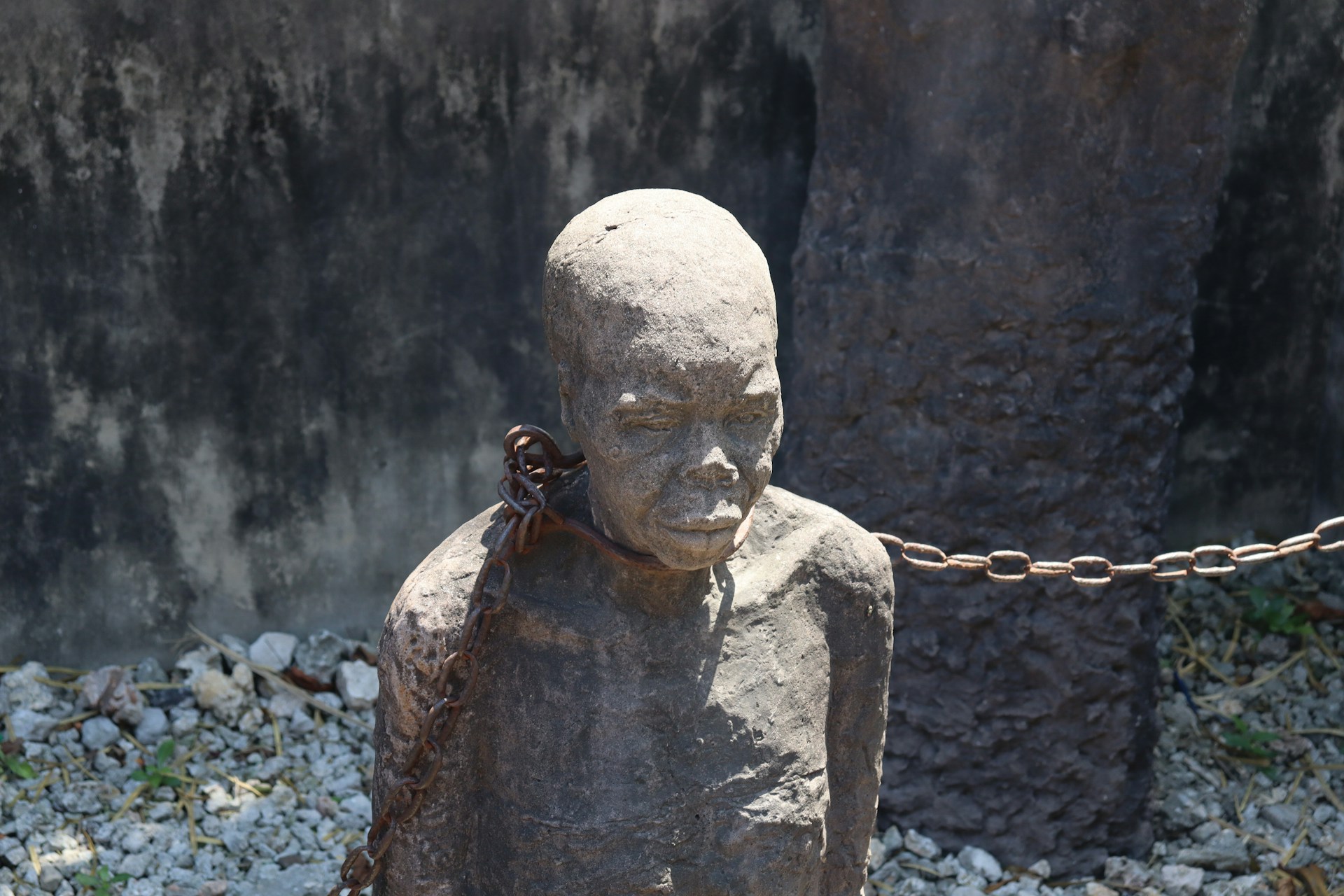
The trans-Atlantic slave trade was not merely an economic enterprise. It was a cultural holocaust, a moral implosion that still echoes today. One of the most harrowing illustrations of Nigeria’s involvement is the story of the Igbo Landing, a tale of both tragedy and resilience.
The Igbo Landing: A Symbol of Defiance
This historical event recounts the journey of enslaved Igbo people taken through the infamous Middle Passage, where they endured unspeakable atrocities, malnutrition, overcrowding, disease, and death aboard slave ships bound for the Americas.
However, during one such journey in 1803, a group of Igbo captives rose in defiance. Upon arrival at Dunbar Creek in Georgia, USA, they overpowered their captors and, rather than submit to slavery, marched into the water, chanting and singing, and chose death over bondage. This act of collective resistance became a poignant symbol of dignity and the unyielding African spirit.
Two Centuries Later: Are We Still Affected?
Despite the passage of over two hundred years, many scholars, psychologists, and cultural theorists argue that the trauma of slavery still reverberates through African societies. This hypothesis, while debated, is encapsulated in the concept of Post-Traumatic Slave Syndrome (PTSS), a theory proposed by American clinical psychologist Dr. Joy DeGruy.
What is Post-Traumatic Slave Syndrome (PTSS)?
Dr. DeGruy’s groundbreaking work, Post-Traumatic Slave Syndrome: America’s Legacy of Enduring Injury and Healing, explores the idea that the dehumanisation experienced during slavery has left psychological wounds that have been inherited across generations.
Drawing from years of clinical research, she posits that the collective trauma endured by African slaves, including Nigerians, has not been properly healed and has instead morphed into patterns of behaviour that persist within black communities.
Her theory addresses both the legacy of the Atlantic slave trade and its enduring psychological footprint on African descendants. According to Dr. DeGruy, many of the coping mechanisms adopted under slavery have become intergenerational habits, some of them harmful.
Symptoms and Behavioural Patterns Attributed to PTSS
While PTSS remains a contentious theory in academic circles, it has been identified with several behavioural traits believed to reflect unresolved historical trauma:
- Heightened Anger and Violence: Individuals affected may exhibit disproportionate levels of anger, suspicion, and, in some cases, violence, both directed outward and inward. This, Dr. DeGruy suggests, stems from a centuries-old environment of brutality and suppression.a
- Low Self-Esteem and Identity Crisis: Feelings of inadequacy, shame, and self-hate are common, including a deep-seated aversion to African features, customs, and languages. This disconnection from one’s roots is believed to originate from the enforced rejection of identity during slavery.
- Aversion to Cultural Heritage: Some black individuals show discomfort with or rejection of their cultural backgrounds, often seeking validation from Eurocentric norms. This phenomenon, as argued in the book, may be a residual response to centuries of cultural invalidation.
Criticism of the Theory
It is important to acknowledge the opposition. Many scholars argue that PTSS dangerously overgeneralises and risks painting black people as inherently broken or pathologically damaged. After all, traits such as anger, poor parenting, and violence are not unique to black people; they are found across all races and cultures.
Critics also argue that attributing widespread behavioural issues solely to slavery oversimplifies complex socio-economic and cultural realities. For instance, poor parenting exists globally and cannot be uniquely tied to slavery without rigorous scientific backing.
Nonetheless, even among sceptics, there’s an emerging consensus: slavery did immense psychological and societal damage, the full impact of which has not been adequately addressed or healed.
How Does This Affect Nigerians Today?
The psychological legacy of slavery may not be visible in the form of physical chains, but it could be embedded in our institutions, relationships, and self-perception. In Nigeria, this might be seen in several ways:
- Tribal mistrust and disunity, partly rooted in the era when tribes were pitted against each other, often selling fellow Africans to foreign traders.
- Colonial hangover, where Western standards are often prioritised over indigenous knowledge systems and traditions.
- A fractured sense of identity, with many Nigerians struggling to reconcile cultural heritage with imposed foreign ideals.
There is also the challenge of internalised inferiority, where “foreign” is still often perceived as better, be it accents, education, fashion, or even beauty standards. This deep psychological rift can be traced to centuries of cultural suppression and displacement.
Epigenetics and Inherited Trauma
Recent studies in epigenetics (the study of how behaviour and environment affect the way our genes work) have lent some support to theories of inherited trauma. Survivors of the Holocaust, for instance, have reportedly passed genetic markers of trauma to subsequent generations. If trauma can be biologically inherited, then the African experience with slavery could indeed have generational consequences.
What Can We Do About It?
Healing from historical trauma is not just about remembering the past—it’s about transforming it. For Nigeria to fully emerge from the shadow of slavery, we must:
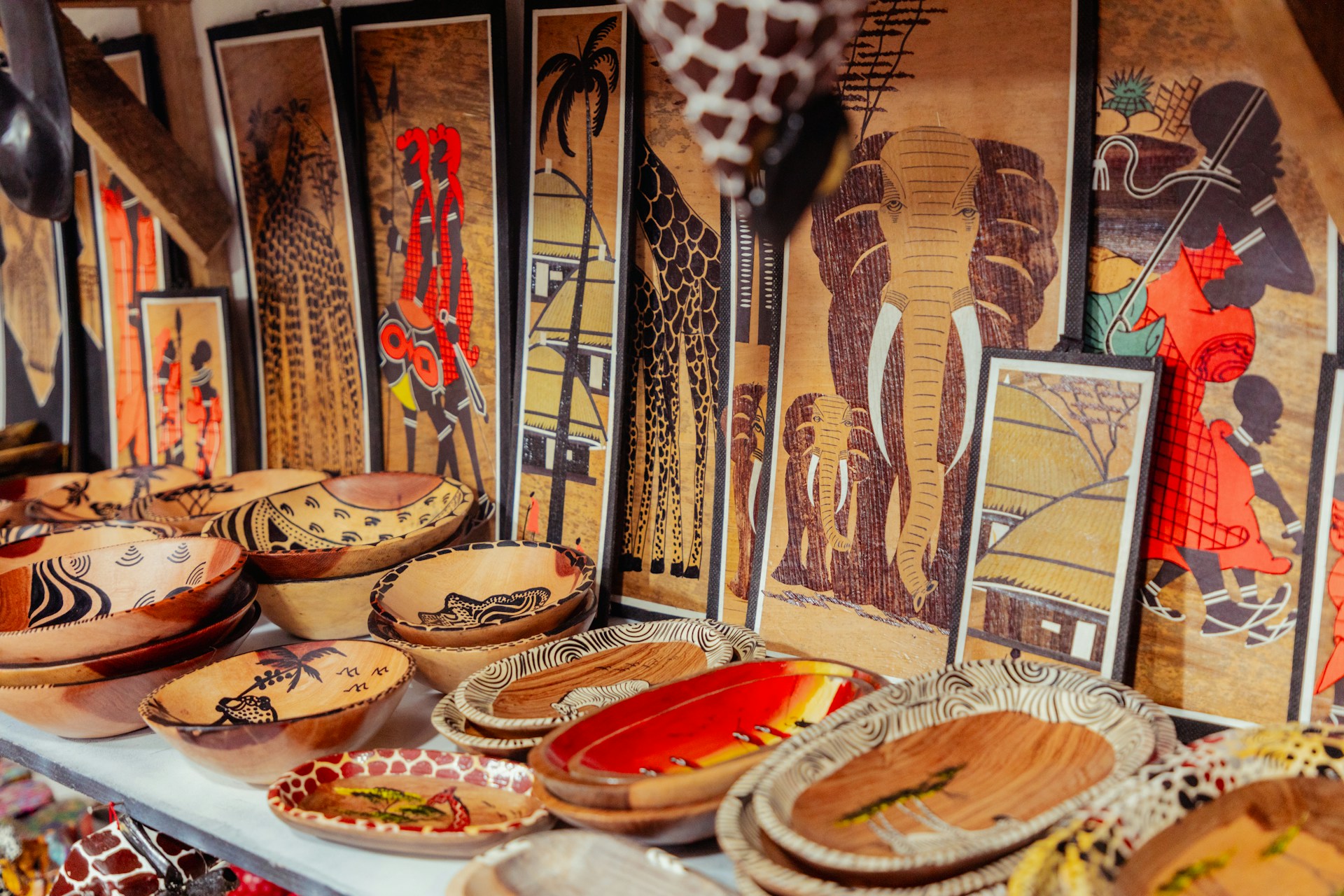
- Reclaim our narrative. Nigerian history should not begin with colonialism or slavery. We must teach and celebrate our pre-slavery civilisations, Nok, Ife, Benin, Kanem-Bornu, and more.
- Revive indigenous languages and culture. Language is power. Culture is identity. Embracing them is a form of resistance and healing.
- Foster national unity. Slavery and colonialism divided us; our future depends on working together across tribal, religious, and regional lines.
- Promote mental health literacy. Let’s normalise seeking psychological help and destigmatise mental health challenges, particularly those rooted in intergenerational trauma.
Conclusion: Rising from the Ashes
Slavery was a horrific chapter in our history, marked by loss, degradation, and dehumanisation. But it is not the end of our story. As Nigerians, we carry the resilience of our ancestors in our blood. Though broken, we are not beyond repair.
We can rise. We can reclaim our dignity, culture, and strength. We can re-educate ourselves, heal our divisions, and reject the falsehoods of inferiority.
Let us not remain captives of the past but architects of a future where our scars become symbols of survival, not shackles of sorrow. In unity, in truth, and in pride, Nigeria can heal and flourish again.