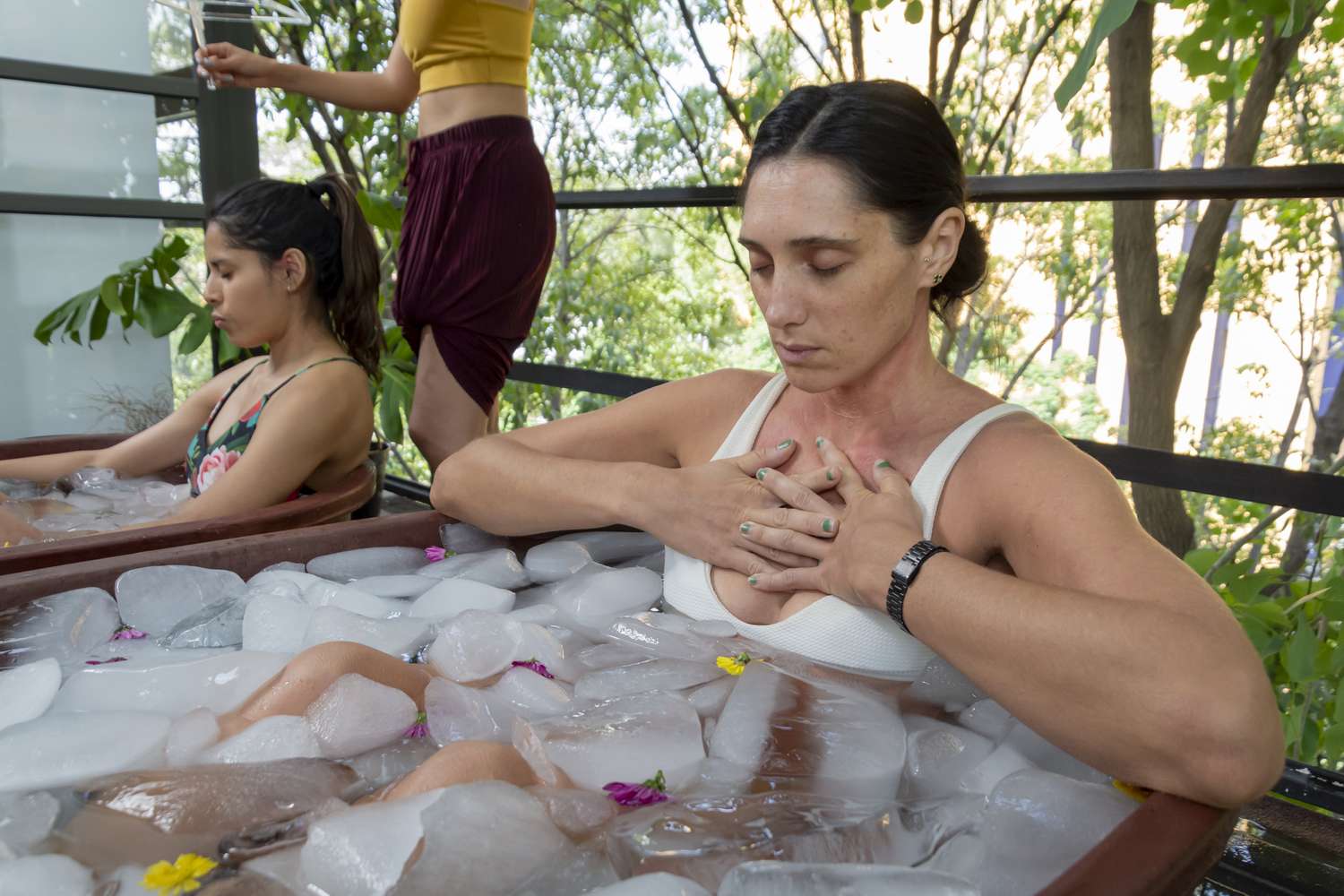
If you have ever seen athletes sitting in large tubs filled with icy water after a game, you might have wondered, why do they do that? The answer lies in one of the most popular recovery techniques in sports: ice baths, also known as cold water immersion (CWI). This practice, often seen in professional sports training rooms, involves submerging the body (or just specific muscle groups) into ice-cold water for a set period.
Ice baths are believed to speed up recovery, reduce soreness, and help muscles bounce back faster after tough workouts. But what exactly makes ice baths effective? In this comprehensive article post, we’ll explore the science, history, benefits, and practical tips for using ice baths to boost muscle recovery.
Historical Background of Ice Baths
The concept of using cold therapy for physical recovery isn’t new. Cold therapy dates back to ancient civilisations, including the Greeks and Egyptians, who recognised the therapeutic benefits of cold water for injuries and muscle fatigue. In the modern era, ice baths have become a staple in sports medicine, particularly in high-performance environments where recovery time is critical. As scientific research expanded, ice baths became more than just anecdotal remedies—they were validated as part of evidence-based recovery protocols.
How Do Ice Baths Work for Muscle Recovery?
When you train hard, especially with strength workouts or endurance runs, your muscles develop tiny tears. This is normal; it’s how muscles grow back stronger. But these tears also cause inflammation, swelling, soreness, and stiffness, which is commonly referred to as Delayed Onset Muscle Soreness (DOMS). This is where ice baths come in. Here’s what happens when you take a plunge into freezing water:
- Blood Vessel Constriction (Vasoconstriction): Cold exposure causes blood vessels to constrict, a process called vasoconstriction. This limits blood flow to the affected areas, temporarily reducing swelling and the influx of inflammatory substances. When you exit the ice bath and the body warms up, blood flow returns, flushing out metabolic waste (like lactic acid) and delivering fresh nutrients to the muscles.
- Numbing Effect and Pain Reduction: The low temperature has a direct numbing effect on nerve endings, reducing the perception of pain. This can be especially beneficial for athletes who need to return to training or competition quickly.
- Decreased Muscle Spasms: Cold water helps calm down nerve activity, reducing the occurrence of muscle spasms and stiffness that often follow intense workouts.
- Hormonal and Cellular Response: Emerging research also indicates that cold water immersion can influence hormones like norepinephrine, which plays a role in reducing inflammation. Additionally, exposure to cold may enhance mitochondrial function, improving long-term muscle endurance.
Ice Baths vs. Other Recovery Methods
To understand the true value of ice baths, it’s useful to compare them to other common recovery strategies:
- Active Recovery: Gentle movements or low-intensity exercise can promote circulation and reduce stiffness, but it might not be sufficient after very intense training.
- Compression Therapy: Compression garments enhance blood flow and can aid recovery, but they lack the direct anti-inflammatory and numbing benefits of ice baths.
- Massage and Foam Rolling: These methods help relieve muscle knots and improve circulation, but they don’t directly modulate inflammation in the way cold exposure does.
- Heat Therapy: Heat has its place, often used to relax muscles before activity. However, it’s less effective in controlling acute inflammation compared to cold.
In practice, athletes often combine multiple methods—such as alternating between hot and cold therapy (contrast baths)—to optimise recovery. But for the fastest relief after very hard workouts, ice baths often come out on top.
Benefits of Ice Baths for Muscle Recovery
Let’s dive deeper into the direct benefits ice baths provide for muscle recovery:
- Faster Recovery Between Training Sessions: For athletes who train multiple times per day or have back-to-back competitions, faster recovery is essential. Ice baths help reduce soreness, allowing athletes to return to high-intensity performance sooner.
- Reduced Swelling and Tissue Breakdown: Inflammation is a natural response to muscle damage, but excessive swelling can prolong recovery. Ice baths blunt this excessive inflammation, ensuring the body focuses on repair rather than excessive immune response.
- Improved Psychological Readiness: Cold water immersion has a psychological component, fostering a sense of resilience and readiness. Many athletes report feeling refreshed and mentally sharper after an ice bath, a critical advantage in high-pressure sports.
- Support for Endurance Training Recovery: Endurance athletes, from marathoners to cyclists, benefit from ice baths as they mitigate cumulative muscle fatigue over prolonged events. The vasoconstriction helps reduce muscle edema that builds up from sustained efforts.
Practical Guidelines for Effective Ice Bath
Want to try ice baths for yourself? It’s important to follow these evidence-based protocols:
- Water Temperature: Aim for 50°F to 59°F (10°C to 15°C). Colder water increases the risk of hypothermia, while warmer water may not provide sufficient benefit.
- Time: Stay in for 10 to 15 minutes—no more. Longer immersion does not necessarily enhance benefits and can increase discomfort.
- When to Take it: For optimal recovery, take the ice bath within 30 to 60 minutes after training.
- Full or Partial Submersion: Full-body baths work best, but focusing just on your legs can still be effective for runners.
Are There Any Risks?
Ice baths are generally safe for healthy individuals, but there are some important considerations:
- Overuse: Daily ice baths can blunt some of the beneficial adaptations to training. Inflammation is part of the natural recovery process, and excessive suppression could hinder long-term gains and could lead to hypothermia.
- Blunted Adaptation: If you ice bathe every day, you might interfere with your body’s natural muscle-building process.
- Comfort vs. Effectiveness: Ice baths are uncomfortable by nature, but they shouldn’t be unbearable. Gradual acclimatisation can make them more tolerable.
- Health Conditions: People with heart conditions like cardiovascular issues or circulation problems such as Raynaud’s disease should consult their doctor first before using ice baths.
Recent Research and Evolving Perspectives
Scientists have been studying the nuances of ice baths for years. Recent research shows:
- Ice baths work best after competitions or extremely intense sessions compared to routine training days.
- They are less useful after light workouts because your body can recover on its own.
- Daily use might actually slow down muscle growth since mild inflammation helps trigger muscle repair.
- Ice baths trigger the release of cold shock proteins, special molecules linked to improved resilience and stress response.
Undoubtedly, ice baths are a powerful tool, but they work best when used strategically.
Athlete Testimonials and Real-World Use
Still not convinced? These pros are regular ice bath fans, many of whom include elite athletes from NFL players to Olympic runners, who have embraced ice baths as part of their routine. Notable examples include:
- LeBron James: Incorporates regular ice baths to manage recovery during the gruelling NBA season.
- Mo Farah: Utilises ice baths after high-mileage training to manage muscle soreness.
- CrossFit Athletes: Due to their intense and varied training, ice baths have become a cornerstone recovery tool in the CrossFit community.
Their real-world experiences align closely with the scientific evidence, reinforcing that ice baths work best when tailored to individual training loads, recovery needs, and competition schedules.
Mind Over Matter: The Mental Edge
Beyond the physiological benefits, ice baths foster mental toughness. The initial discomfort of sitting calmly in freezing water challenges athletes mentally, enhancing their resilience both in training and competition. This psychological edge—learning to embrace discomfort—translates into better performance under pressure.
Should You Try Ice Baths? Final Verdict
If you:
- Train hard and frequently
- Compete at a high level
- Struggle with soreness after tough sessions
- Want a natural way to recover faster
…then ice baths could be a game-changer for you.
However, if your workouts are more casual, you probably don’t need to rush into an ice tub every day. Simple rest, hydration, and stretching may be enough.
Conclusion
Ice baths offer a powerful, science-backed tool for enhancing muscle recovery. By reducing inflammation, easing pain, and promoting faster return to training, they occupy a unique space in the recovery toolkit. However, like any tool, they work best when applied strategically—following intense sessions, after competitions, or during high-volume training phases. Combined with smart nutrition, hydration, sleep, and other recovery modalities, ice baths help athletes optimise their performance and longevity.
Whether you are a weekend warrior or a pro athlete, understanding how and when to use ice baths can give you the edge you need to stay strong, train hard, and keep your body healthy for the long haul.