
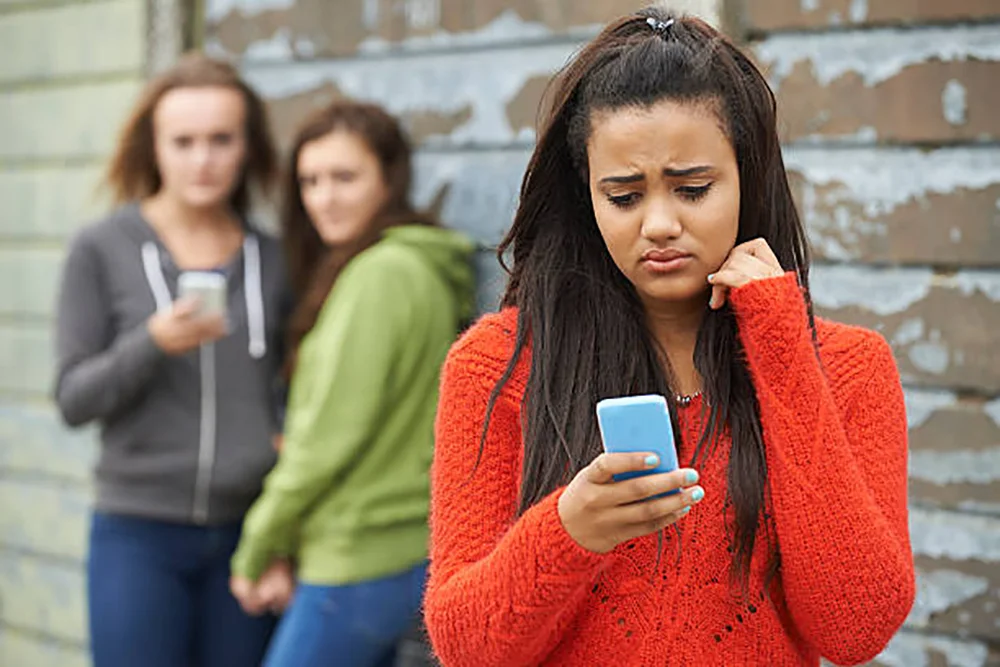
The internet, though a powerful tool for communication and innovation, has increasingly become a minefield of threats hidden in plain sight. Among the most disturbing of these dangers is cyberbullying, a digital form of abuse that is rapidly rising and affecting millions of users across the globe. From identity theft to social media harassment, today’s online landscape is often hostile, especially for young and impressionable minds. With cyberbullying at the centre of digital safety concerns, it’s more critical than ever to understand what it is, its far-reaching effects, and how to prevent it.
This article provides an in-depth look into cyberbullying, debunking common misconceptions, outlining the forms it takes, and offering actionable steps to protect yourself and others. A better-informed society can take proactive measures to create safer online spaces—one conversation and one intervention at a time.
What is Cyberbullying?
Cyberbullying is the deliberate act of harassing, threatening, embarrassing, or targeting an individual using digital platforms. These platforms can include social networking sites, mobile messaging apps, emails, forums, blogs, and even gaming communities.
Unlike traditional bullying, cyberbullying is not confined to physical spaces like schoolyards or workplaces. It happens 24/7 and can follow victims wherever they go, thanks to the omnipresence of mobile devices and social media. It includes, but is not limited to:
- Sending abusive or threatening messages.
- Spreading false information or rumours.
- Sharing private or embarrassing content without permission.
- Creating fake profiles to impersonate or harm someone.
What makes cyberbullying particularly sinister is its scope; it can be instant, global, and anonymous.
Common Misconceptions About Cyberbullying
There’s a widespread assumption that cyberbullying only affects teenagers or schoolchildren. In truth, cyberbullies don’t discriminate by age. Adults can also be victims—targeted by workplace bullies, online trolls, or even strangers in digital communities.
Another myth is that cyberbullying happens mainly on social media. While platforms like Facebook, Instagram, and TikTok are hotspots, bullying also occurs through:
- Instant messaging services like WhatsApp and Telegram.
- Online multiplayer games.
- Forums, comment sections, and blogs.
- Emails and SMS.
- Video conferencing tools.
It’s also essential to understand that cyberbullying can begin subtly—harmless jokes, passive-aggressive comments, or exclusion from digital spaces—and escalate quickly if not addressed.
Forms of Cyberbullying
Cyberbullying manifests in many different forms. Here are some of the most common:
- Flaming: These are fights that take place online. It involves the exchange of electronic messages with vulgar and angry language.
- Harassment: This involves the continuous sending of nasty, mean, insulting, and hurtful messages.
- Denigration: This involves defamation of the character of a person online. It includes dissing, sending, or posting rumours and gossip about someone to damage or spoil her reputation.
- Impersonation: Pretending to be someone else to spread false content or manipulate their friends.
- Outing: Sharing personal secrets, private images, or sensitive information publicly.
- Trickery: Gaining someone’s trust to extract personal information, only to expose it maliciously.
- Exclusion: Intentionally leaving someone out of an online group, chat, or game to isolate and embarrass them.
These behaviours often overlap, amplifying their emotional toll on victims.
The Effects of Cyberbullying
The psychological and emotional impact of cyberbullying can be devastating. Because online content spreads fast and may remain accessible indefinitely, victims may feel overwhelmed, helpless, and exposed.
Here are some common consequences:
- Low self-esteem and confidence: Victims may begin to question their self-worth and value.
- Mental health issues: Anxiety, stress, depression, and feelings of shame are common.
- Poor academic or work performance: Victims often lose focus, skip school or work, or disengage from responsibilities.
- Social withdrawal: Many begin to isolate themselves from friends and family.
- Suicidal thoughts and behaviour: In extreme cases, victims may contemplate or attempt suicide.
Cyberbullying often leaves invisible scars, making it even more critical to intervene early.
How to Prevent Cyberbullying
While there’s no single solution to stop cyberbullying completely, several proactive measures can reduce the risk and protect potential victims.
1. Speak Up
If you’re a victim, don’t stay silent. Talk to someone you trust—a parent, teacher, guardian, or even a close friend. Keeping it to yourself only gives more power to the bully. Always remember: you are not to blame for someone else’s abusive behaviour.
2. Don’t Engage
Cyberbullies thrive on attention. If you respond, you may be fuelling their desire for control and escalation. Ignore and document the messages instead. Do not retaliate, as it could compromise your safety or credibility.
3. Block and Report
Most social platforms and messaging apps allow users to block and report abusers. This limits their ability to contact or follow you. You should also protect your devices and accounts by:
- Keeping strong, private passwords.
- Logging out on public computers.
- Avoid sharing personal details online.
4. Monitor Digital Behaviour
Parents and guardians should monitor their children’s online activity without being overbearing. Encourage open conversations about digital behaviour, cyber risks, and how to seek help. Install parental control software where necessary.
5. Educate and Empower
Schools, communities, and workplaces must create awareness about cyberbullying. Workshops, webinars, and awareness campaigns go a long way in equipping people with the knowledge and confidence to handle digital threats.
6. Legal Dimensions of Cyberbullying
Cyberbullying can sometimes cross the line into illegal behaviour. When that happens, victims can take civil or criminal action depending on the laws of their country or region.
7. Civil Laws
In a civil context, victims can:
- Seek a restraining order or file a defamation lawsuit.
- Pursue damages for emotional distress or reputational harm.
- Consult an attorney for personalised guidance.
Some examples:
- Defamation: False information that harms reputation.
- Invasion of privacy: Exposing personal details without consent.
- False light: Misleading the public with damaging content.
- Intentional emotional distress: Causing extreme distress through outrageous behaviour.
8. Criminal Laws
In more severe cases, cyberbullies may be charged with crimes such as:
- Hate speech or bias crimes
- Threats, stalking, or coercion
- Sexual exploitation (especially involving minors)
- Harassment through electronic communication
Law enforcement agencies increasingly take cyberbullying seriously, especially when the content leads to mental health crises or involves minors.
Conclusion: Taking Responsibility in the Digital Age
Cyberbullying is not a trivial issue. For many young people, the consequences are real, long-lasting, and sometimes irreversible. Teenagers are particularly vulnerable, but adults can also fall victim. The false sense of anonymity online gives cyberbullies the confidence to act without empathy or fear of consequences.
Creating a safer online environment is not only a personal duty; it is a shared social obligation. Schools, parents, platforms, and governments must work together to address and reduce cyberbullying. By educating ourselves, supporting victims, and holding bullies accountable, we can make the digital world a more secure space for all.