
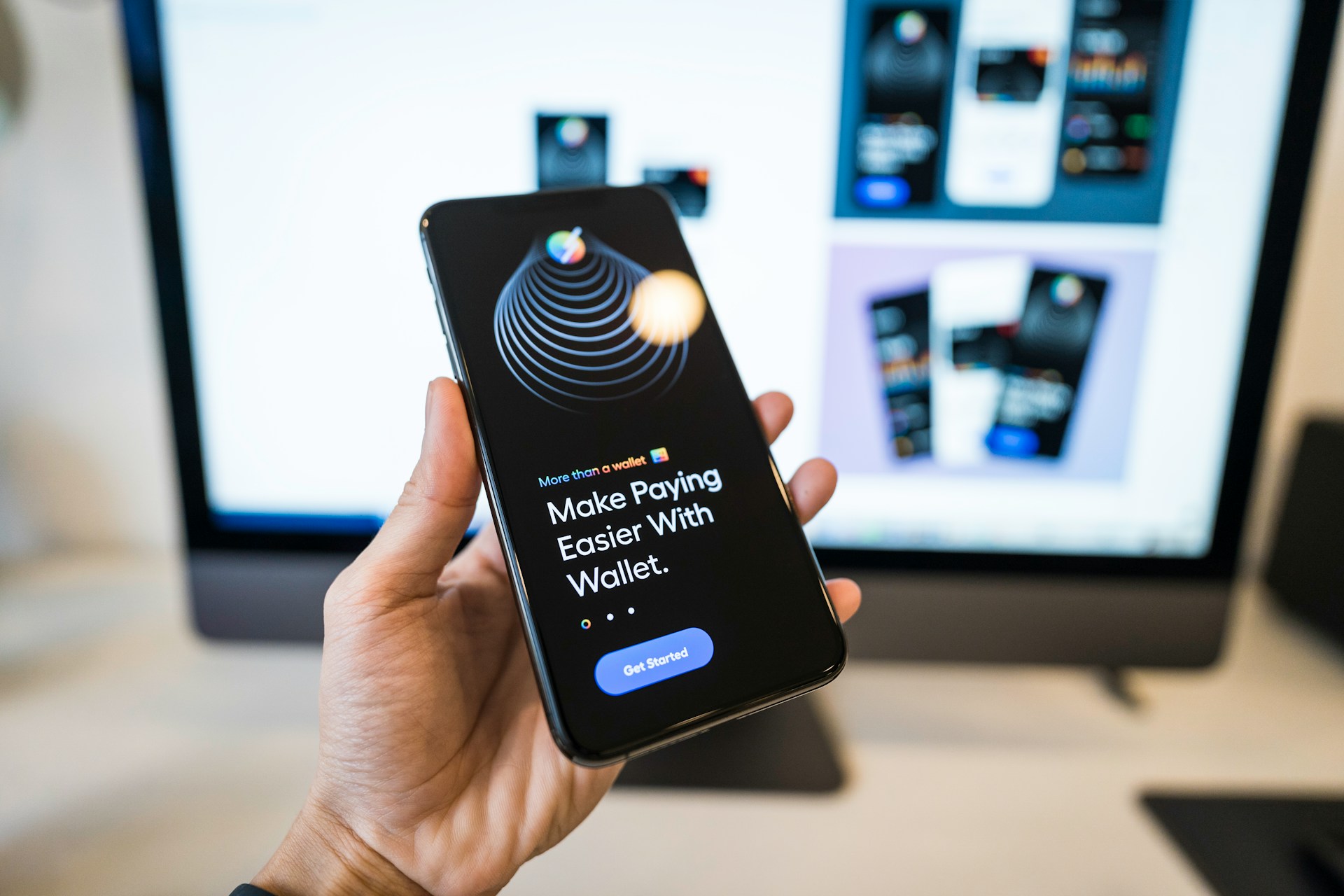
The long-reigning desktop era has finally been dethroned as mobile takes center stage. Today, the global mobile population is estimated to exceed 5.5 billion users, with smartphones and tablets firmly establishing themselves as the primary digital touchpoints. As mobile connectivity reaches every corner of the globe, businesses are rethinking their digital strategies to stay ahead in this rapidly evolving landscape.
1. Shifting User Preferences
Recent data indicates that app downloads have now soared past 300 billion annually, with modern users engaging with an average of 10 apps every day. In 2025, mobile apps capture over 95% of users’ total mobile screen time—a clear signal that consumers overwhelmingly prefer native experiences over traditional websites. While websites remain valuable for initial brand awareness, apps dominate the later stages of the customer journey by driving deeper engagement and higher retention.
2. Hyper-Personalisation Through Advanced Technology
One of the most significant advantages of mobile apps is their unrivalled capacity for personalisation. In 2025, apps will leverage cutting-edge artificial intelligence and machine learning to analyse user behaviour, preferences, and even contextual factors like location and time of day. This means users enjoy highly tailored experiences—from custom notifications and product recommendations to dynamic interfaces that adapt in real-time. Such a level of personalisation not only enhances the user experience but also builds lasting customer loyalty.
3. Evolving Monetisation Models
Today’s free-to-download apps are no longer just a gateway to basic functionalities; they have evolved into sophisticated revenue engines. With the introduction of smarter in-app advertising, subscription models, and seamless microtransactions, apps are more profitable than ever. Brands are finding innovative ways to re-engage users at the perfect moment, whether through actionable ads, personalised promotional campaigns, or interactive in-app events—all while maintaining an uninterrupted user experience.
4. Mobile Apps as a Superior E-Commerce Platform
In the realm of e-commerce, mobile apps have transformed the way consumers shop. Enhanced by features like one-click purchases, voice-enabled transactions, and even augmented reality (AR) product demos, apps now boast conversion rates that are significantly higher than their mobile web counterparts. Over 40% of users who download an e-commerce app make a purchase, thanks to streamlined checkout processes and the convenience of saving user data for future transactions.
5. Enhanced Communication Channels
Effective communication is the backbone of customer engagement, and mobile apps excel in this area. With highly optimised push notifications, in-app messaging, and integrated chatbots, apps allow businesses to interact with their customers in a timely and less intrusive manner. These tools ensure that users receive relevant updates exactly when they are most likely to engage, driving a click-through rate that continues to exceed past benchmarks.
6. Leveraging Advanced Device Features
Modern smartphones come equipped with a wealth of features—from high-resolution cameras and biometric sensors to advanced GPS and AR capabilities. Apps can tap into these native functionalities to create a richer, more interactive experience that websites simply cannot match. Whether it’s scanning a receipt with a smartphone camera or using location data to offer context-specific promotions, the enhanced capabilities of mobile devices are making everyday tasks faster and more intuitive.
7. Robust Offline Functionality
One of the defining characteristics of today’s mobile apps is their ability to function even without an active internet connection. While full functionality may sometimes require online access, many apps now offer offline modes that allow users to view content, perform calculations, or complete transactions seamlessly. This ensures that brands can continue delivering value—whether it’s a banking app calculating loan details or a shopping app saving a customer’s cart—even when connectivity is limited.
8. Strengthening Brand Identity
In 2025, mobile apps will have become indispensable for building and maintaining strong brand identities. With users spending an increasing amount of time in apps, every interaction is an opportunity to enhance trust, drive engagement, and reinforce brand values. Additionally, apps provide a flexible platform where businesses can experiment with innovative branding strategies, deviating from traditional corporate styles to create memorable, interactive experiences that resonate with today’s digitally savvy consumers.
The Next Level in a Mobile-First World
As we navigate 2025, it’s clear that the mobile era isn’t just a passing trend—it’s the new normal. With billions of users relying on mobile apps for everything from shopping and banking to entertainment and communication, the case for a mobile-first strategy is stronger than ever. By investing in robust mobile app development, businesses can not only reach new audiences but also cultivate a loyal customer base through hyper-personalised, engaging experiences.
Now is the time to seize the mobile opportunity. Embrace the evolving digital landscape and elevate your brand by harnessing the full power of mobile apps in 2025 and beyond.