
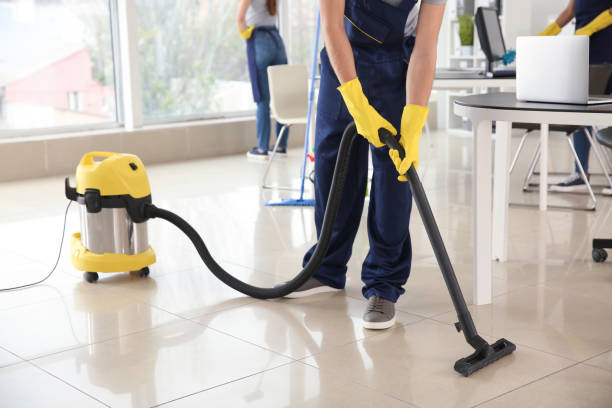
A clean office is more than a tidy space; it is the foundation of productivity, professionalism, and employee well-being. Clients notice it the moment they walk through your doors, and employees feel its impact throughout their working day. Yet many organisations still treat office cleaning as an afterthought, reducing it to a quick sweep or a hasty wipe of desks. The real secret of cleaning your office lies in adopting a structured, consistent, and professional approach that goes far beyond appearances.
This guide explores why office cleaning matters, the strategies that keep a workplace spotless, and the hidden benefits businesses gain when they prioritise cleanliness.
Why Office Cleaning Matters
An office is not just a workplace; it is a reflection of a company’s values and culture. Clients, partners, and potential employees form first impressions within seconds. A clean, organised reception conveys efficiency and care, while a cluttered or dusty space signals neglect.
Cleanliness also has a direct link to employee well-being and productivity. Research indicates that clutter and dirt can increase stress levels, while dust, bacteria, and allergens can contribute to illness. Keyboards, phones, and shared equipment often harbour more bacteria than a toilet seat. Without regular cleaning, diseases spread quickly, leading to absenteeism and lower morale.
Simply put, a clean office is not a luxury. It is an essential investment in health, productivity, and reputation.
The Secret: A Structured Cleaning System
Unlike casual home tidying, office cleaning requires a systematic, layered approach. The secret lies in breaking tasks into daily, weekly, monthly, and seasonal routines. This structure ensures nothing is overlooked and cleanliness becomes consistent.
Daily Cleaning Tasks
Daily cleaning forms the foundation of office hygiene. Essential tasks include:
- Emptying rubbish bins and replacing liners.
- Wiping down desks, keyboards, phones, and monitors with disinfectant wipes.
- Sanitising high-touch points like door handles, switches, and shared equipment.
- Vacuuming and dusting high-traffic areas.
- Restocking restrooms with soap, tissue, and hand towels.
These small, regular actions prevent dirt and germs from building up.
Weekly Cleaning Tasks
Weekly cleaning focuses on areas that accumulate hidden grime:
- Deep-cleaning kitchens and break areas, including microwaves, fridges, and sinks.
- Sanitising restrooms thoroughly and polishing fixtures.
- Dusting shelves, blinds, vents, and office equipment.
- Mopping and polishing floors.
- Checking air filters for dust build-up.
Weekly attention ensures the office remains presentable and hygienic.
Monthly and Seasonal Cleaning
Some tasks require less frequency but are critical to long-term cleanliness:
- Shampooing carpets and steam-cleaning upholstery.
- Washing windows inside and out.
- Polishing wooden furniture and boardroom tables.
- Decluttering filing systems and storage areas.
- Inspecting for mould, dampness, or pests.
A quarterly or seasonal deep clean—covering air ducts, ceiling fixtures, and less accessible spaces—restores freshness and prevents hidden hazards.
Commonly Overlooked Areas
The secret of office cleaning also lies in paying attention to spaces most businesses ignore. These include:
- Keyboards and computer mice: breeding grounds for germs.
- Phones and headsets: constantly handled but rarely sanitised.
- Chair arms and handles: touched daily yet often skipped.
- Air vents and ducts: dust here compromises air quality.
- Light switches and door handles: among the most frequently touched surfaces in any office.
Addressing these overlooked areas ensures a truly healthy environment rather than just a visually clean one.
The Importance of Professional Office Cleaning
While employees can manage tidy desks and shared spaces, professional cleaning services provide expertise and thoroughness beyond casual efforts. Benefits of outsourcing include:
- Specialist equipment: industrial-grade vacuums, steam cleaners, and eco-friendly products achieve deeper results.
- Compliance with safety standards: professional cleaners follow strict health and hygiene regulations.
- Efficiency: cleaners often work outside office hours, ensuring minimal disruption.
- Customisation: services are tailored to the office size, layout, and level of foot traffic.
Professional office cleaning saves employees time, boosts overall hygiene, and protects long-term investment in furniture and infrastructure.
Building a Culture of Cleanliness
The cleanest offices are those where staff share responsibility. Creating a culture of cleanliness involves:
- Encouraging employees to keep desks clutter-free.
- Ensuring rubbish is properly disposed of and recycling points are accessible.
- Posting reminders about handwashing and hygiene.
- Providing disinfectant wipes, sanitisers, and bins in convenient spots.
- Asking staff to respect shared spaces like kitchens and meeting rooms.
When management leads by example and provides the right resources, cleanliness becomes embedded in company culture.
Health and Productivity Benefits
The benefits of a clean office extend beyond aesthetics:
- Improved concentration: a clutter-free workspace reduces distractions.
- Reduced absenteeism: fewer germs mean fewer sick days.
- Lower stress levels: clean environments promote calm and order.
- Enhanced morale: employees feel valued when their workplace is well-maintained.
- Client trust: visitors are more likely to respect and trust a company that reflects professionalism through its environment.
The Rise of Eco-Friendly Cleaning
Sustainability is one of the modern secrets to effective office cleaning. More businesses are moving toward green cleaning practices, which include:
- Using biodegradable, non-toxic cleaning agents.
- Reducing plastic by using refillable containers.
- Implementing office recycling systems.
- Choosing energy-efficient cleaning equipment.
Eco-friendly office cleaning not only protects the planet but also improves indoor air quality, reduces allergic reactions, and demonstrates corporate responsibility.
Technology and Smart Cleaning
Modern offices can leverage technology to improve hygiene standards. Innovations include:
- Automated vacuum cleaners for daily upkeep.
- Air purifiers to maintain fresh, allergen-free air.
- Touchless hand sanitisers and soap dispensers.
- Cleaning management apps to schedule and monitor professional services.
Smart solutions make cleaning less intrusive and more consistent.
Creating a Positive Workplace Image
Office cleanliness is also about branding. Clients judge professionalism not only by services but also by the environment they see. A spotless reception, polished floors, and fresh-smelling meeting rooms send a message of attention to detail. In contrast, stained carpets, dusty furniture, or overflowing bins can instantly undermine confidence.
A clean office is, therefore, a silent but powerful brand ambassador.
Conclusion: Unlocking the Secret
The secret of cleaning your office is not a mystery. It is about strategy, structure, and shared responsibility. By combining daily routines, weekly deep cleans, professional support, and eco-friendly practices, organisations can maintain workplaces that are both healthy and inspiring.
A clean office is not an expense; it is a strategic advantage. It safeguards health, enhances morale, boosts productivity, and strengthens your company’s image. When you unlock the true secret of cleaning your office, you unlock a workplace that reflects professionalism, efficiency, and care every single day.