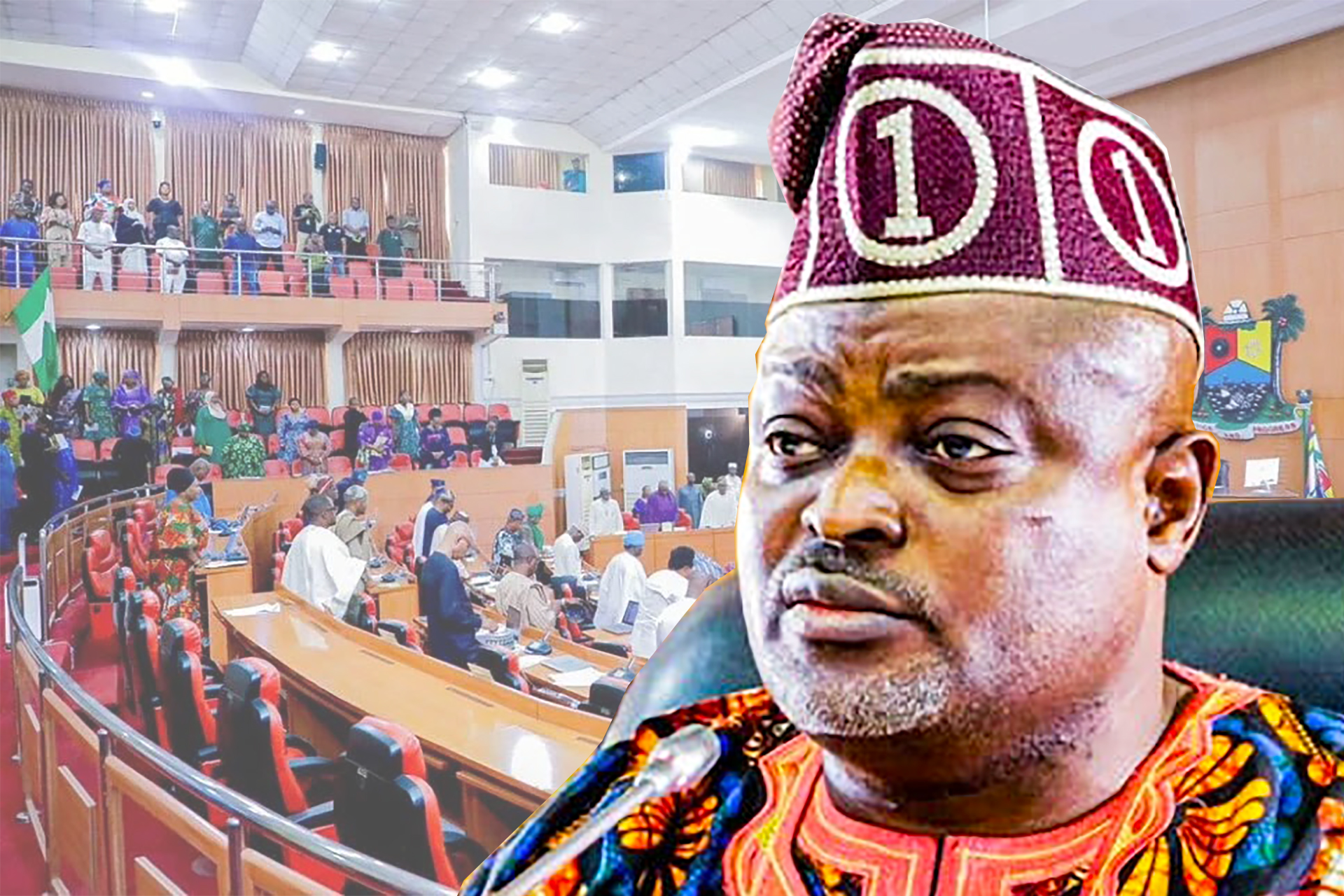
The recent reinstatement of the Lagos State House of Assembly Speaker, Mudashiru Obasa, after his sudden impeachment, has once again exposed the deep-rooted structural defects in Lagos politics. This development is not only a reflection of the internal wrangling within the All Progressives Congress (APC) but also a stark reminder of how external interference has made a mockery of constitutional democracy in Nigeria’s commercial capital.
At its core, the impeachment of Obasa was a constitutional exercise — the Lagos State House of Assembly invoked its powers under Sections 92 and 96 of the Nigerian Constitution to remove the Speaker over allegations ranging from financial mismanagement to abuse of office. However, within days, powerful forces outside the legislative chamber ensured that the impeachment was reversed. Obasa was reinstated, not because of any judicial intervention or fresh legislative reconsideration, but because of the weight of external influence that looms over Lagos politics behind the scenes.
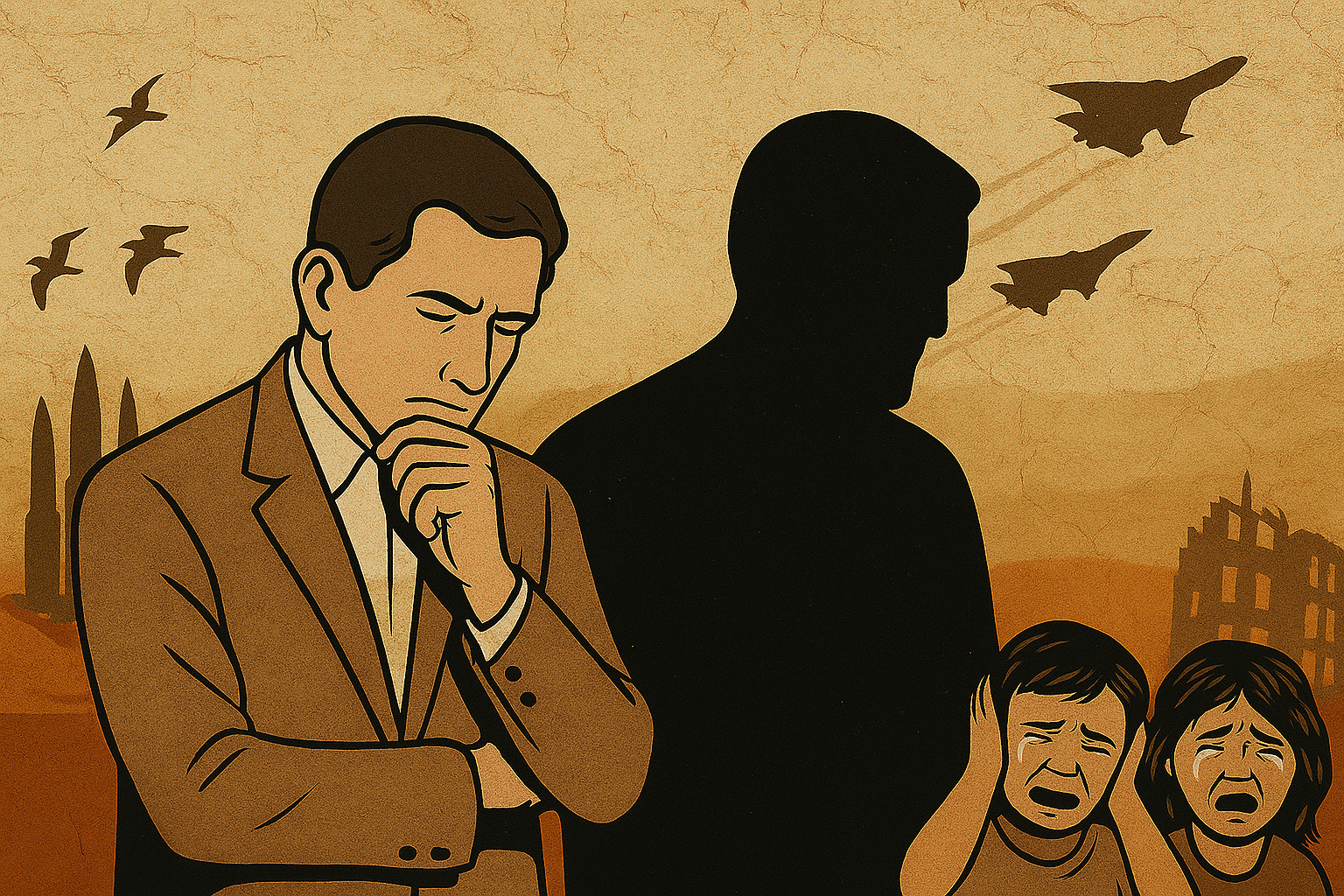
Lagos, often described as the Centre of Excellence, has long suffered from a peculiar brand of “godfatherism,” where the decisions of elected representatives are subjected to the will of political overlords who operate outside the constitutionally defined structures of governance. The reinstatement of Obasa, therefore, is not just an isolated incident; it is symptomatic of a broader “idiotcracy” — a system where the constitution is ignored and the will of the people is discarded in favour of personal loyalty and political expediency.
The principle of separation of powers — a cornerstone of any functioning democracy — has been consistently undermined in Lagos State. The legislature, which ought to serve as an independent check on the executive, has instead become a pawn in the hands of political godfathers and party powerbrokers who determine leadership positions, legislative agenda, and even the outcomes of internal conflicts. The events leading to Obasa’s removal and swift return laid bare the reality that in Lagos, the constitution is often subjugated to the dictates of external political puppeteers.
This situation is not only unconstitutional but dangerously corrosive to democratic culture. The people of Lagos elected their representatives with the expectation that they would exercise their mandate free from undue influence. When a few unelected individuals can override the collective decision of a duly elected legislature, it renders the entire democratic process meaningless.
What is particularly disturbing about the Obasa saga is how it confirms that internal accountability mechanisms within the Lagos political structure have been completely eroded. If the House of Assembly cannot enforce its own disciplinary actions without interference, then its independence is effectively nullified. This sets a dangerous precedent where corruption, abuse of office, and impunity will thrive under the protective umbrella of external patronage. This chilling trend has confirmed what many Lagosians have long suspected: the Assembly serves two masters, not the constitution and the people, but the invisible hands of political godfathers.
As Lagos continues to position itself as a megacity, this outdated and unconstitutional system of external control must be confronted. True development cannot thrive in an atmosphere where governance is dictated by personal allegiances rather than constitutional provisions. The people of Lagos deserve more than a rubber-stamp legislature and a political system that prioritises the whims of the powerful over the will of the people.
The Obasa saga must not be forgotten, but should serve as a wake-up call for all Lagosians. If this trajectory is not reversed, Lagos risks becoming a political theatre where the constitution is nothing more than a ceremonial document, referenced when convenient and ignored when power is at stake. The time has come for Lagosians to demand genuine accountability, institutional independence, and an end to the shadow rule that has turned the state into a political fiefdom.
The road to true democracy in Lagos will not be easy, but it begins with citizens rejecting the normalisation of unconstitutional interference and insisting that power must truly reside with the people.